Preserving the “Maine Sporting Camp Experience”
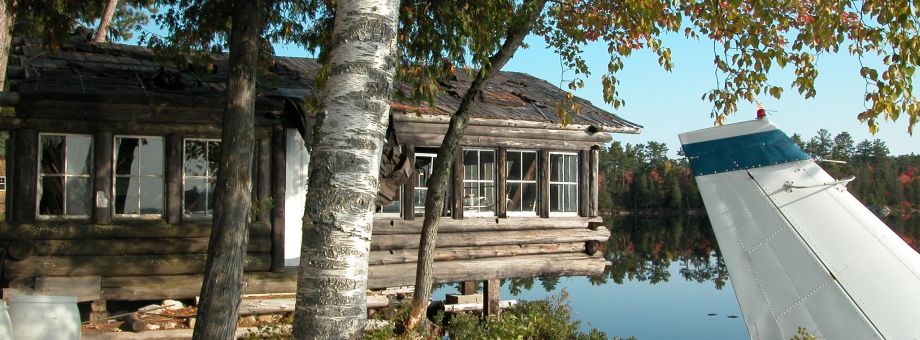
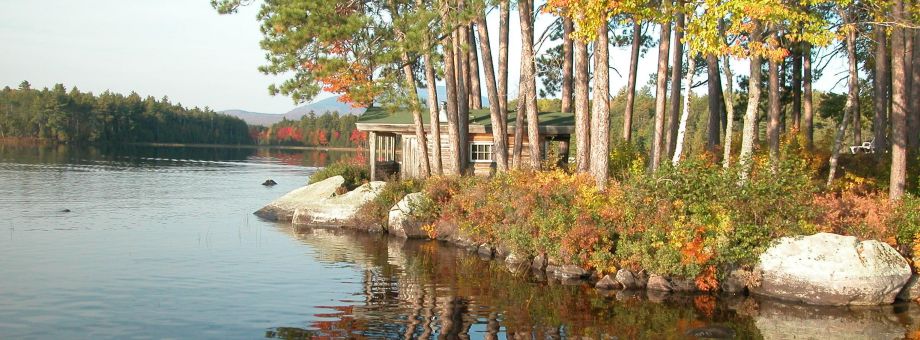
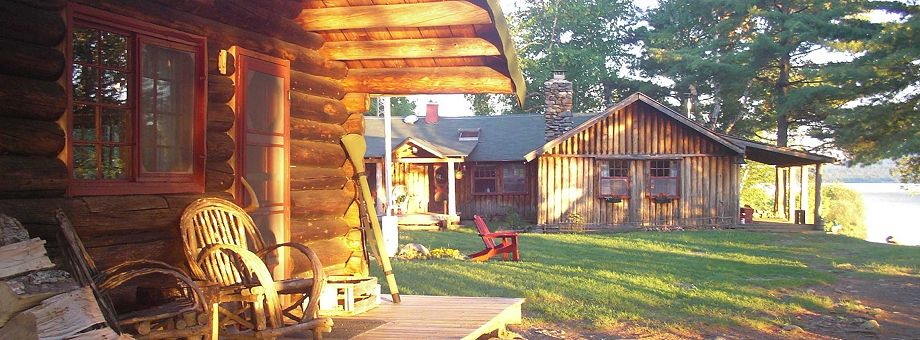
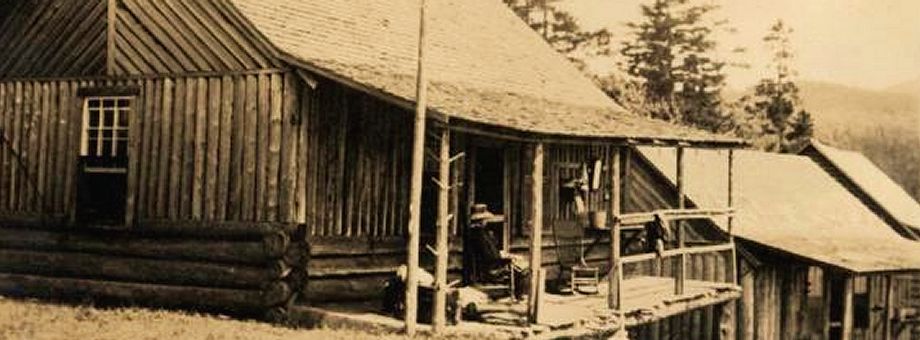
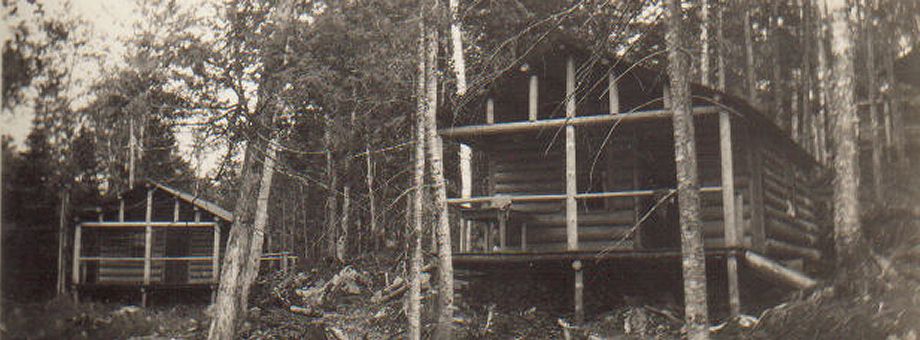
A traditional Maine Sporting Camp is an integral part of Maine’s cultural heritage. For over 150 years, Sporting Camps have served the public by offering lodging, meals and recreational access to Maine’s most beautiful and remote natural locations. Many Sporting Camps feature hand-built log cabins that have been in continuous use for over 100 years. An architectural style emerged that is unique to Maine, known simply as the "Maine Sporting Camp Style."
In addition to their role in Maine’s cultural heritage, Maine Sporting Camps are a vital part of the State’s rural economy. Maine's sporting camps are world-renowned destinations for persons seeking recreational opportunities in one of the largest remaining wilderness areas in the lower 48 states. Visitors to these camps help sustain the economies of many small rural communities in Maine’s most economically distressed regions.
All these aspects come together to define the unique "Maine Sporting Camp Experience."
Our Mission
The Maine Sporting Camp Heritage Foundation was founded to preserve Maine’s traditional sporting camps and the natural resources they rely upon. The Foundation’s core mission is to preserve this part of Maine’s cultural heritage so that future generations will continue to have access to some of Maine’s most wild and scenic locations, and will be able to enjoy the outdoor experiences that sporting camps offer.
An important outcome of preserving the "Maine Sporting Camp Experience" is the preservation and strengthening of the local economies that depend on the continued operation of one or more traditional sporting camps. In addition, further economic deterioration and increased unemployment in the communities whose economies depend to a large extent on visitors to these traditional Maine sporting camps will be limited.
Preserving Traditions
In 1904 there were at least 300 sporting camps in operation in Maine. By 2007, this number had dwindled to fewer than 40. As more commercial camps are lost, this unique part of Maine’s cultural heritage comes dangerously close to losing its critical mass and disappearing altogether — taking with it the vital role these sporting camps play in Maine’s overall economy and its tradition of outdoor recreation.
The "Sporting Camp Experience" is as unique today as it was 150 years ago. These family-run businesses offer rustic cabins surrounded by spectacular wild scenery and abundant wildlife; the lost art of providing hearty home-cooked meals and pastries; safe family vacation settings; and traditional outdoor recreation like fishing, hunting, hiking and wildlife watching.
The Foundation's educational programs enable the public to learn about traditional Maine sporting camps, the vital role they play in Maine’s cultural heritage, economic well-being and the importance of conservation efforts to preserve Maine’s natural resources and the undeveloped, pristine surroundings that sporting camps rely upon.
The Foundation provides training and technical assistance to sporting camp owners and operators that helps them better manage their operations and market their camps in an economic environment where it appears that the interest in traditional sporting camp activities such as fishing and hunting is waning. Working with our partner organizations, assistance topics range from general business, marketing and advertising, new product and service offerings, to business planning and budgeting.
The Foundation is also able to offer affordable financing to sporting camps for such purposes as:
- Upgrading camp facilities in order to make them more suitable for today’s visitors.
- Assisting in the acquisition of the underlying land for sporting camps located on leased property, in the event the land owner elects to offer the property for sale.
- Directly acquiring property in the event it is offered for sale by the landowner, and then lease it to a camp operator in order to assure that the sporting camp is preserved and public access is maintained.
Restoring Public Access
Maine Sporting Camps face serious challenges to their survival. Changes in land ownership and land management policies, high land valuations and taxes, lack of long term land leases, increased government regulation, lack of affordable capital and encroaching development all threaten the future of Maine’s remaining Sporting Camps.
Most sporting camps are located on waterfront land that typically can be sold at prices far higher than what could be supported by a commercial sporting camp operation. Many camps have already been purchased by individuals and families, who then convert the camps into exclusive-use, private vacation properties - the end result is lost public access to Maine's wildlands. By preserving the sporting camps and the natural resources they rely upon, the Foundation will prevent that loss of access.
Our ability to offer affordable financing to sporting camps for a limited range of purposes helps ensure that the Maine sporting camp is preserved and public access to Maine's natural resources and wildlife is maintained.
Habitat Conservation
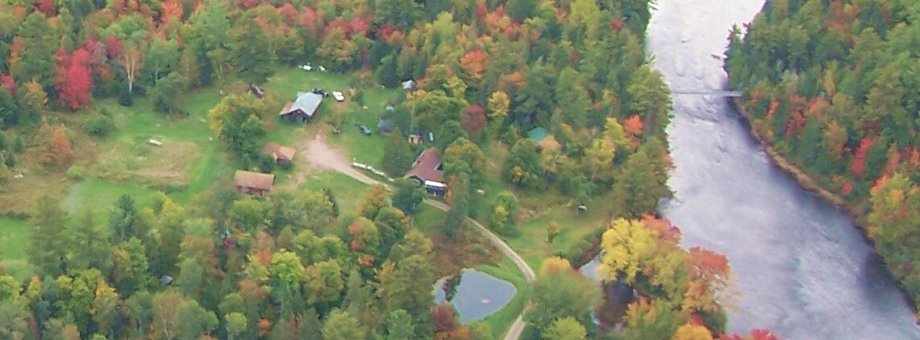
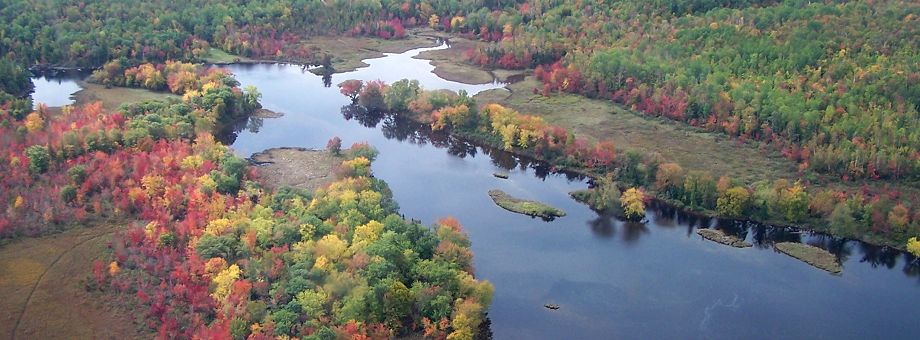
Maine's Sporting Camps were established 100 to 150 years ago in locations then surrounded by miles and miles of forest and wetland habitat. "Development" was absent, rare plants were undisturbed, and wildlife like deer, moose, caribou, lynx, black bear, pine marten, eagles, salmon, and brook trout were plentiful. The natural habitat that provided for wildlife also made it possible for sporting camps to sustain their existence as attractive places for outdoor recreation and enrichment.
Today, Maine Sporting Camps and their surrounding habitats face serious challenges. Changes in land ownership and land management policies, high land valuations and taxes, and encroaching development all threaten the future of Maine’s remaining Sporting Camps.
The Foundation maintains a database of every commercially active sporting camp, plus those that have already been converted to private, non-public, use. We survey the outstanding wildlife, habitats, ecosystems and scenic values nearby. The Foundation then builds coalitions to establish conservation easements in order to protect the undeveloped, pristine surroundings and wildlife habitats that make sporting camps such special places and provide for the public's need for remote outdoor recreation.
Today’s Feature Photo
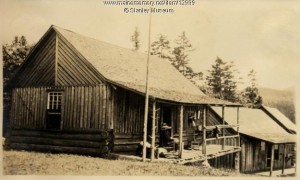
Classic Maine Sporting Camp in 1906
"Sporting camps are a cultural and entrepreneurial resource distinctive to the state"
– Alice Arlen, Author &
Sporting Camp Historian
"There are serious challenges facing the sporting camp industry"
– State of Maine Comprehensive
Land Use Plan, 2007
"Continued operation of
sporting camps contributes
not only to local and regional
economies, but also benefits
the tourism industry
throughout the State"
– Resolution of
Maine's 112th Legislature